



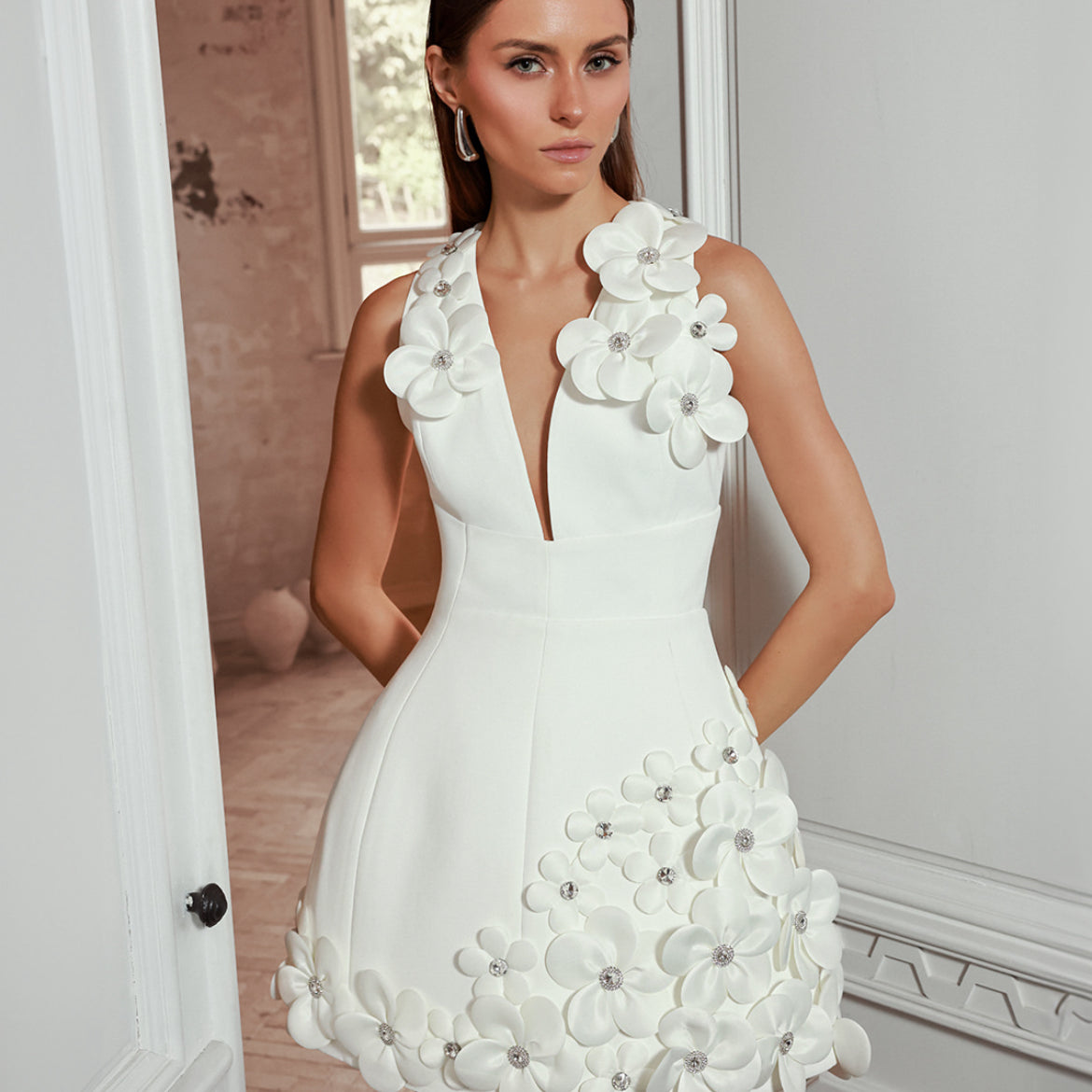

Fashion history is filled with countless trends, groundbreaking designers, and cultural movements. Yet when historians, designers, and fashion enthusiasts look back at the most unforgettable moments in style, one element consistently stands out: the elegant dress. From royal weddings and Hollywood films to red carpet events and global runways, dresses have repeatedly captured the imagination of the world.
Elegant dresses represent more than just clothing. They symbolize creativity, identity, and cultural expression. Across generations, they have shaped fashion trends, influenced designers, and defined the visual language of women’s fashion.
Understanding why elegant dresses continue to dominate fashion history reveals something deeper about the power of clothing. Dresses are not simply garments—they are stories, statements, and symbols of timeless beauty.
The Enduring Role of Dresses in Women’s Fashion
Throughout centuries of fashion evolution, dresses have remained central to women’s wardrobes. Unlike many other garments, a dress combines structure, silhouette, and fabric into a single piece that can instantly communicate style and elegance.
From elaborate couture gowns to minimalist everyday dresses, this garment has evolved with society. Fashion historians frequently note that dresses reflect cultural values, artistic movements, and changing attitudes toward femininity.
Iconic examples throughout history illustrate this perfectly. Designers and public figures have worn dresses that later became symbols of entire eras—from classic Hollywood gowns to modern red carpet masterpieces.
Because dresses often appear during significant cultural moments—such as weddings, awards ceremonies, or historic events—they become deeply embedded in fashion memory.
Iconic Dresses That Changed Fashion Forever
Some dresses achieve a level of recognition that transcends fashion itself. These garments become visual symbols that represent particular moments in cultural history.
One famous example is the white halter dress worn by Marilyn Monroe in The Seven Year Itch. The iconic image of the dress billowing above a subway grate became one of the most recognizable fashion moments of the twentieth century.
Similarly, the little black dress introduced by Coco Chanel revolutionized women’s fashion by proving that simplicity and elegance could coexist in a single garment. The design eventually became a universal wardrobe staple that continues to influence fashion today.
Other unforgettable dresses include Audrey Hepburn’s Givenchy gown in Breakfast at Tiffany’s, Princess Diana’s famous “revenge dress,” and Jennifer Lopez’s Versace jungle-print gown. Each of these pieces captured global attention and helped shape the direction of fashion trends

These dresses demonstrate how a single garment can transform fashion history.
The Influence of Hollywood and Popular Culture
Cinema and television have played an enormous role in elevating elegant dresses to iconic status.
Film costumes often influence fashion trends because they combine storytelling with visual design. When audiences see a powerful character wearing a striking dress, that image becomes embedded in cultural memory.
For example, Scarlett O’Hara’s dramatic velvet gown in Gone with the Wind remains one of the most recognizable costumes in film history, symbolizing both glamour and resilience.
Similarly, Hollywood red carpets have become global showcases for elegant dresses. Events such as the Academy Awards often feature gowns that later appear on “best-dressed” lists and influence fashion collections around the world.
These moments reinforce the idea that dresses are not merely garments—they are visual statements that define cultural narratives.
Royal Fashion and the Power of Elegant Dresses
Royal fashion has also contributed significantly to the legacy of elegant dresses.
Royal wedding gowns, in particular, often capture worldwide attention. When Princess Diana married Prince Charles in 1981, her ivory silk gown with its extraordinary 25-foot train became one of the most famous dresses ever created.
Decades later, Kate Middleton’s lace wedding dress designed by Sarah Burton for Alexander McQueen captivated global audiences and influenced bridal fashion for years afterward.
Royal dresses are powerful because they combine tradition with symbolism. These garments represent historic moments and national identity, which is why they remain significant long after the events themselves.
The Role of Designers in Creating Fashion History
Behind every memorable dress is a visionary designer.
Designers play a crucial role in shaping the aesthetic language of fashion. Their ability to combine fabric, structure, and creativity determines whether a garment becomes ordinary or iconic.
Throughout history, designers such as Christian Dior, Hubert de Givenchy, Gianni Versace, and Alexander McQueen have created dresses that changed the direction of fashion.
Christian Dior’s “New Look” silhouette in the late 1940s, with its cinched waist and full skirt, redefined femininity in postwar fashion. Meanwhile, avant-garde designers like Elsa Schiaparelli challenged traditional ideas by transforming dresses into works of art.
These designers demonstrated that a dress could function as both clothing and artistic expression.
Why Elegant Dresses Remain Timeless
Fashion trends often change rapidly, but elegant dresses possess qualities that allow them to endure.
Several factors contribute to their timeless appeal:
Refined silhouettes: Clean lines and balanced proportions rarely become outdated.
Quality fabrics: Luxurious materials such as silk, satin, and chiffon maintain their beauty over time.
Versatility: A well-designed dress can be styled differently for various occasions.
Because of these qualities, elegant dresses often transcend seasonal trends. A thoughtfully designed garment can remain relevant across decades.
This enduring quality is why fashion experts frequently emphasize the value of timeless dresses. The growing appreciation for classic designs is explored further in Why Fashion Experts Say Timeless Dresses Are Making a Comeback.
Dresses as Expressions of Identity
Clothing often reflects personal identity, and dresses are particularly powerful tools for self-expression.
Different dress styles communicate different moods and personalities. A structured dress may convey confidence and authority, while a flowing gown might suggest elegance and romance.
Because dresses combine shape, texture, and color in a single garment, they offer a unique canvas for individuality.
Many women view dresses as the centerpiece of their personal style. By selecting designs that reflect their personality, they transform clothing into a form of self-expression.
The importance of this idea is explored further in Style as Self-Expression: Finding Your Signature Look, which highlights how fashion choices help individuals communicate their identity.
The Influence of Red Carpet Fashion
Modern red carpet events continue to reinforce the cultural significance of elegant dresses.
Major events such as the Oscars and the Met Gala showcase dramatic gowns designed by leading fashion houses. These appearances often generate global media coverage and influence fashion trends.
For instance, Lupita Nyong’o’s sky-blue Prada gown at the 2014 Oscars and Nicole Kidman’s chartreuse Dior couture dress remain among the most memorable red carpet looks of recent decades.

These moments demonstrate how dresses continue to capture the world’s attention and shape contemporary fashion.
The Emotional Power of Elegant Dresses
Elegant dresses also carry emotional significance.
Many of life’s most meaningful occasions involve special clothing. Weddings, celebrations, award ceremonies, and milestone events often feature memorable dresses.
These garments become part of personal and cultural memories.
A wedding dress, for example, represents the beginning of a new chapter in life. Similarly, a gown worn during a significant public moment may symbolize empowerment or transformation.
Because dresses frequently accompany life’s most important events, they become powerful emotional symbols.
Why Dresses Will Always Shape Fashion History
Fashion is constantly evolving, but dresses continue to hold a unique place within the industry.
Their ability to combine elegance, symbolism, and artistry ensures that they remain central to fashion storytelling. Designers continue to reinterpret classic silhouettes while experimenting with new fabrics and techniques.
This balance between tradition and innovation allows dresses to evolve without losing their historical significance.
From classic couture gowns to modern minimalist designs, elegant dresses remain one of the most influential forms of women’s clothing.
Elegant dresses have shaped the most memorable moments in fashion history because they capture the essence of style itself. They combine artistry, craftsmanship, and emotion in a way that few other garments can achieve.
From Hollywood films and royal weddings to red carpet events and runway collections, dresses have consistently defined the visual identity of fashion culture. Their ability to express individuality while reflecting broader cultural movements makes them timeless symbols of beauty and creativity.
As fashion continues to evolve, elegant dresses will undoubtedly remain at the center of its most iconic moments. Their enduring appeal reminds us that true style is not defined by trends but by the lasting power of thoughtful design.